
CANeLearn Research & Commentary
Learn, Contribute, and Join Us!
What’s New?
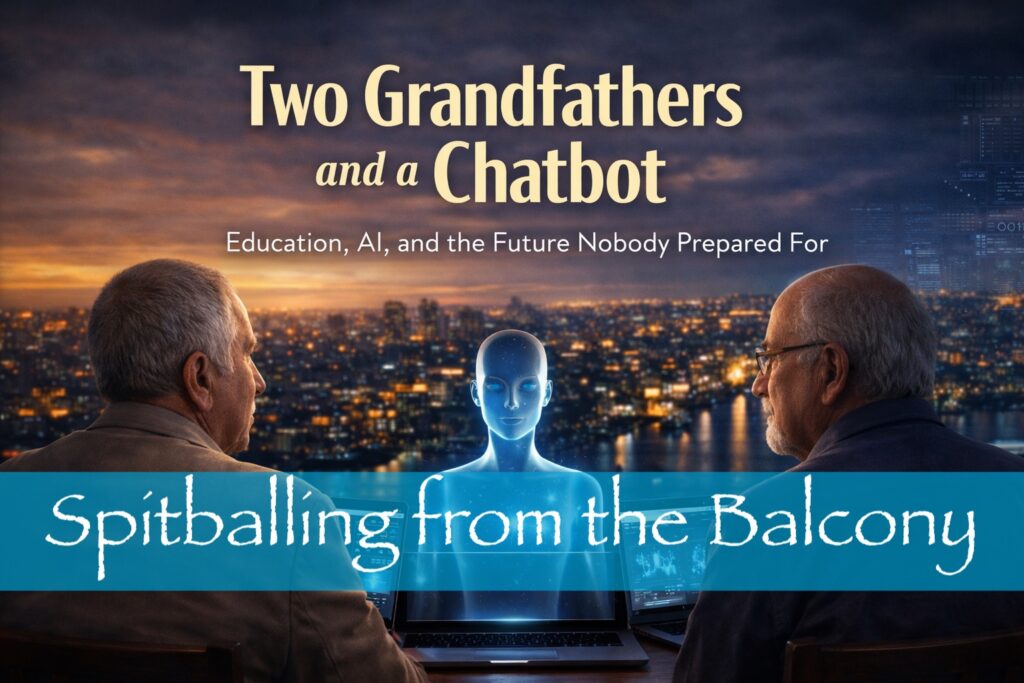
Conversations with Grandchildren
Check out the latest in a new series of posts and podcasts.
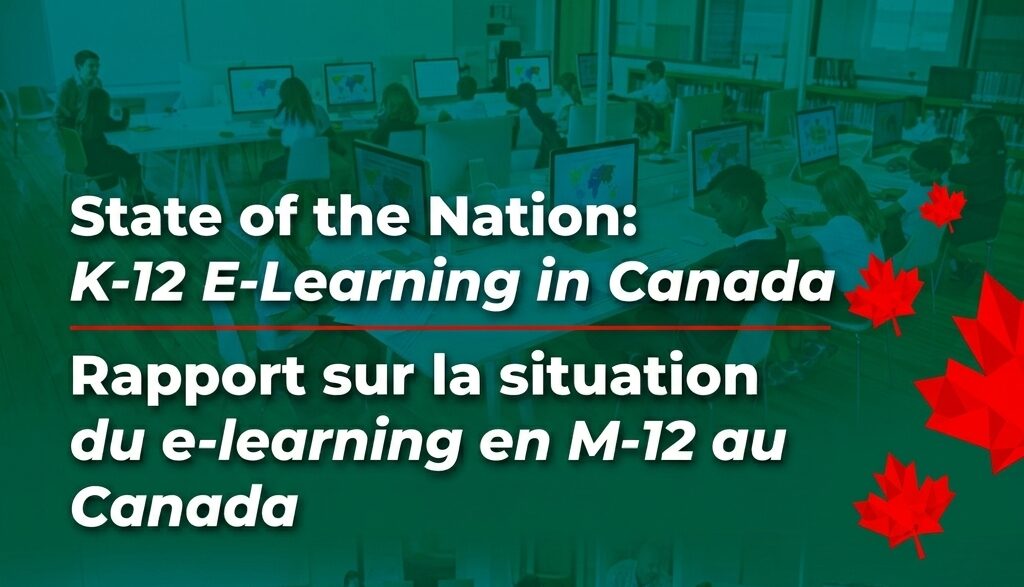
Program Leaders Survey
- Data complements ministry’s, enabling cross-referencing, trend ID, and sharing.
- Add your year-end data to improve the renowned study.
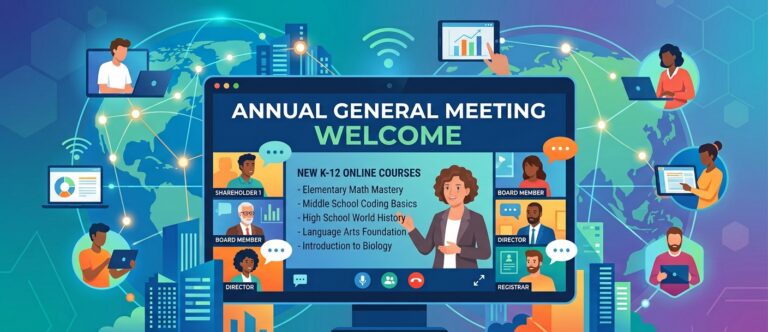
CANeLearn AGM
- Wednesday, September 16 at 11:30 am Eastern time
- For information and Zoom link, email info@CANeLearn.net
Continuing Research & Projects
E-Learning Support Study
Examining supports for marginal, at-risk, and adult learners
Check out new publications on our Research Projects page
Mastering AI: Shifting from answers to thinking
Children are already immersed in an AI world.
Adults need to catch up and help guide them.
Check out CANeLearn’s project AI in Education site.
CANeLearn Governance
An Advisory Council and smaller operational board of three directors have been created.
Education leaders maintain a strategic relationship with the organization, providing expertise and insight, while stepping back from direct operational and governance responsibilities.
Add your voice to CANeLearn’s direction. Join us at the CANeLearn AGM, online via Zoom, September 16 at 11:30 am Eastern.
News & Conversations

AI in Education: What to expect next…
Check out our podcast on this topic, “What’s Next”, on the CANeLearn YouTube Channel AI in Education: What to expect next… A number of years ago, I was having a heated exchange with the director of another organization. At


Teaching to the test
This post analyzes the disconnect between modern educational goals and outdated assessment methods. While curricula increasingly emphasize high-level competencies like critical thinking, collaboration, and creativity, traditional exams continue to prioritize surface-level memorization and individual performance under pressure. Research suggests

[REPOST] AI power and water
Earlier this year, while teaching UVic’s EDCI 336 course, I wrote about Generative AI water and power. I keep trying to rationalize its use in the context of our personal use of electricity and gas, which is far less than
The Canadian eLearning Network (CANeLearn) is a Canadian registered not-for-profit society with a mission to be the leading voice in Canada for learner success in K-12 online and blended learning
by promoting effective practice in e-learning, fostering community and facilitating interaction among online and blended learning educators, and connecting educators to e-learning organizations.